The Whole Person Approach

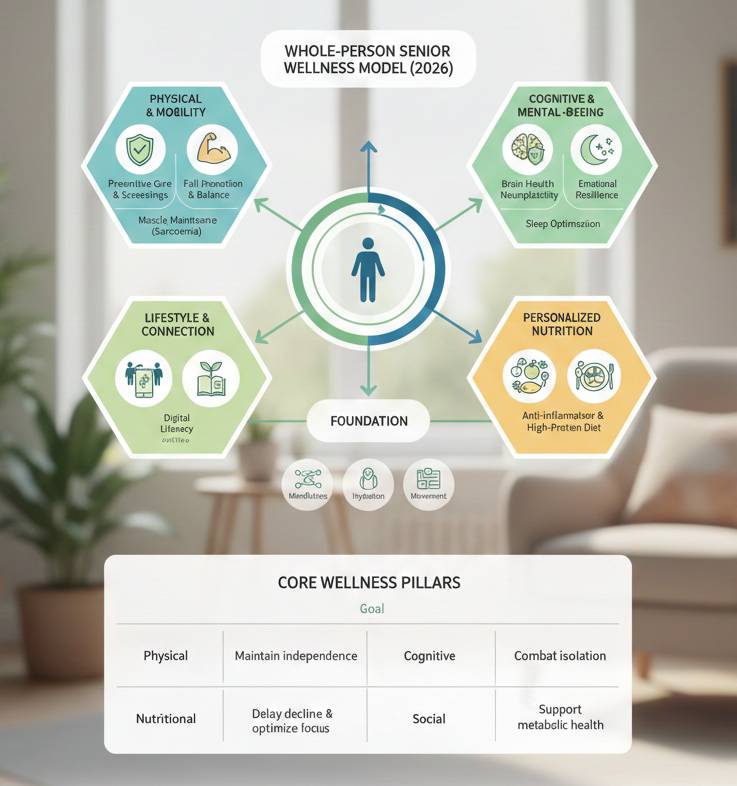
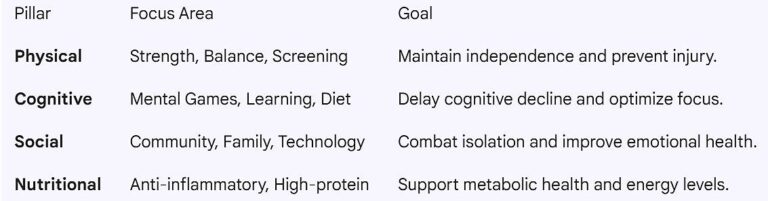
As of 2026, senior health and wellness have shifted toward a “whole-person” approach. This model moves away from simply treating illnesses and focuses instead on proactive vitality and lifestyle management.

Key points

These topics are critical for the health and wellness in this phase of our lives.

Physical Health & Mobility

  • Preventive Care & Screenings:  Regular monitoring of blood pressure, cholesterol, and blood sugar is essential. Routine screenings for cancer, vision, and hearing help catch issues early when they are most treatable.
  • Fall Prevention & Balance:  Falls are a leading cause of injury. Wellness now emphasizes “balance training” (like Tai Chi or single-leg stands) alongside strength training to maintain independence.
  • Muscle Maintenance (Sarcopenia): Preserving muscle mass is now recognized as a key metabolic marker. It helps prevent insulin resistance and maintains the “metabolic resilience” needed to recover from illness.


Cognitive & Mental Well-being

  • Brain Health & Neuroplasticity: Cognitive health is no longer seen as a matter of “inevitable decline.” Modern wellness includes “brain-boosting” activities, cognitive training apps, and diets specifically designed to reduce neuroinflammation.
  • Emotional Resilience: This involves managing life transitions such as retirement or loss. Practices like mindfulness, gratitude journaling, and seeking therapy for depression or anxiety are vital for maintaining a positive outlook.
  • Sleep Optimization: Quality sleep is critical for brain repair and emotional regulation. Seniors are encouraged to maintain strict “sleep hygiene,” such as consistent bedtimes and limiting stimulants.
 

Lifestyle & Connection

  • Social Engagement: Loneliness is now treated as a major public health risk, comparable to smoking. Staying connected through community clubs, volunteering, or “intergenerational” activities is vital for longevity.
  • Personalized Nutrition: Moving beyond general diets, 2026 trends focus on “Nutrition as Medicine.” This includes anti-inflammatory diets (like the Mediterranean diet) and high-protein intake (1.0–1.3g per kg of body weight) to support muscle and bone health.
  • Purpose and Meaning: Having a “reason to get up” is a strong predictor of health. Seniors find wellness through “vocational” or purposeful activities, such as mentoring, gardening, or pursuing lifelong learning.
  • Digital Literacy: As healthcare moves toward telehealth and wearable monitoring, the ability to use technology has become a health necessity, helping seniors stay connected to doctors and family.
 

The “Whole-Person” Preventive Visit Checklist

 
When visiting a healthcare provider, use this checklist to ensure the conversation goes beyond just physical symptoms and addresses the modern pillars of wellness.


🩺 Physical & Clinical

  • Vital Signs: Blood pressure, heart rate, and weight trends.

  • Labs: A1C (blood sugar), Lipid panel (cholesterol), Vitamin D, and B12 levels.

  • Medication Review: Bring a list of all supplements and prescriptions to check for interactions.

  • Mobility Check: Ask for a “Timed Up and Go” (TUG) test to assess fall risk.

🧠 Cognitive & Emotional

  • Cognitive Baseline: Ask for a brief screening (like a MoCA or Mini-Cog) if you’ve noticed memory changes.

  • Mood Screening: Discuss feelings of isolation, anxiety, or low energy.

  • Sleep Quality: Report any snoring, frequent waking, or daytime fatigue.

🍏 Lifestyle & Social

  • Nutrition: Discuss protein intake and any digestive issues or difficulty chewing.

  • Social Connectivity: Mention your level of social activity and any barriers to leaving the house.

  • Safety: Discuss home safety (lighting, rugs, grab bars).
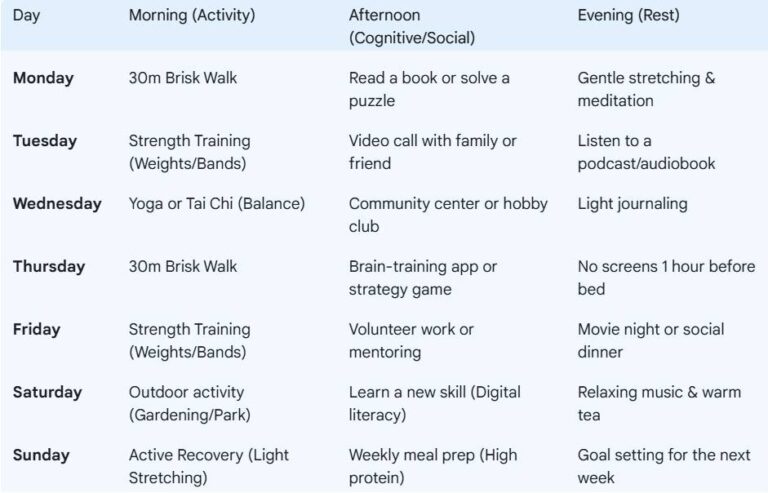
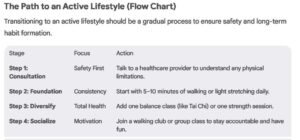
Building on the "whole-person" approach, here is a structured guide to help you put into practice these health goals.

Sample Weekly Wellness Schedule

This schedule balances physical activity with cognitive stimulation and social connection.

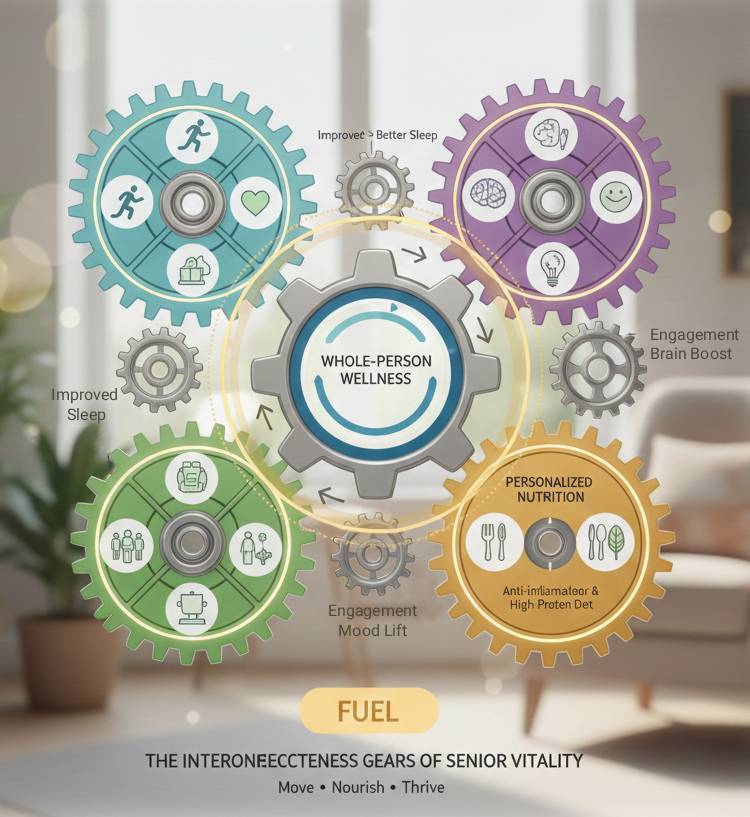
Visual Concept: The Interconnectedness of Senior Health

To understand how these topics interact, it is helpful to view them as a “geared system” rather than isolated tasks.

  • The Physical Gear: When you move more, you sleep better.

  • The Social Gear: When you engage with others, your cognitive “gear” turns faster.

  • The Nutritional Gear: Provides the fuel to keep all other gears moving without friction.

Scroll to Top

Newsletter Signup

You will receive a confirmation email in your inbox.  

* You can unsubscribe anytime