General Health

7 Foods For Your Heart, Brain & Gut

Nutrient-Dense Foods Backed by Science

From a recent BBC Future article, here is a summary of the seven nutrient-dense foods recommended for their significant health benefits. 

Scientists recently looked at over 1,000 different raw foods to see which ones actually give your body the most bang for its buck.

They ranked foods based on how well they provide the specific balance of nutrients we need every day for things like a healthy heart and better digestion. The big takeaway is that adding just a few of these high-ranking items to your meals like certain seeds, fish, and greens, can do a lot of the heavy lifting for your nutrition without needing a total diet overhaul.

Here are the seven nutrient-dense foods that came out on top.

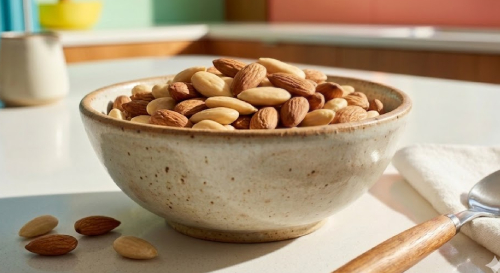
1. Almonds

The Benefit: They are a top source of monounsaturated fatty acids and Vitamin E.

Why it matters: Almonds have been found to significantly increase levels of butyrate, a fatty acid that fuels the cells in your gut lining. This strengthens the gut wall and helps beneficial bacteria thrive.

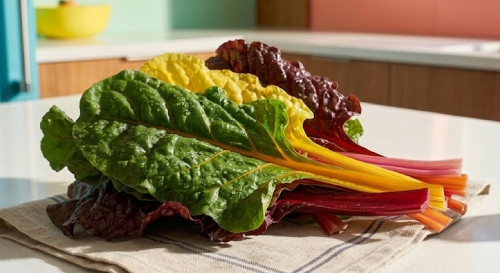
2. Swiss Chard

The Benefit: This leafy green is rich in betalains, which have neuroprotective qualities (protecting the nervous system from aging).

Why it matters: It also contains nitrates that the body converts into nitric oxide, helping to relax blood vessels, improve circulation, and lower blood pressure.

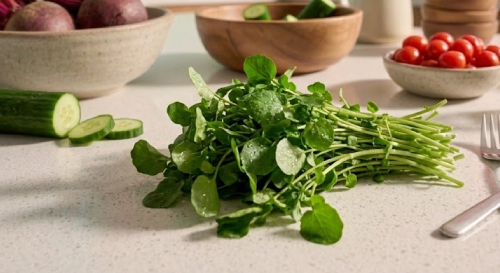
3. Watercress

The Benefit: A powerhouse from the brassica family (related to broccoli), it is exceptionally high in B vitamins, Vitamin C, and minerals like calcium and iron.

Why it matters: It contains compounds like phenethyl isothiocyanate, which researchers believe may help slow the growth of certain cancer cells.

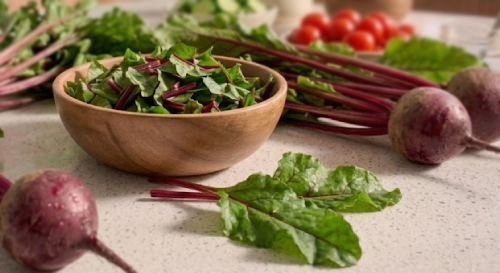
4. Beetroot Leaves

The Benefit: While most people only eat the root, the leaves are often even more nutritious, containing higher levels of protein and minerals.

Why it matters: They are packed with antioxidants that protect your DNA from oxidative damage and can help lower “bad” (LDL) cholesterol.

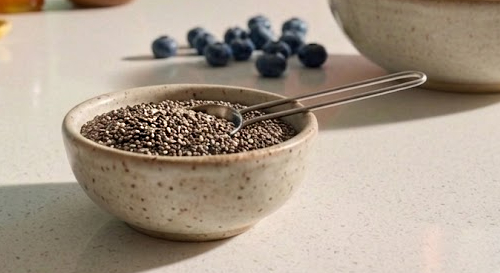
5. Chia Seeds

The Benefit: These tiny seeds are dense in fiber, protein, and alpha-linolenic acid (an omega-3 fat).

Pro Tip: To get the most benefit, it is better to grind them or chew them thoroughly; otherwise, the seeds can pass through your system without releasing their healthy oils.

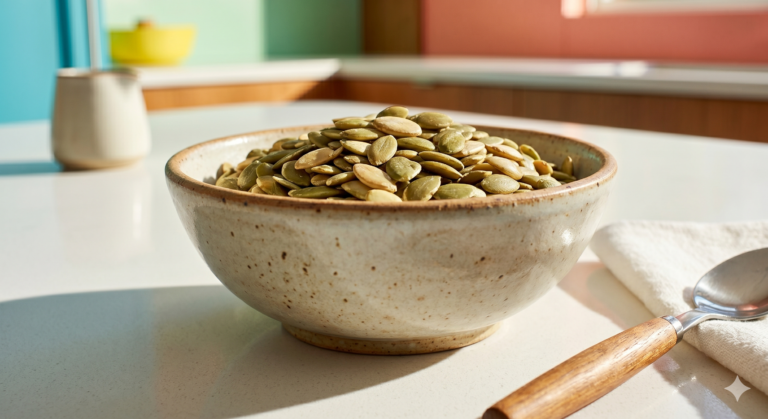
6. Pumpkin Seeds

The Benefit: One of the best plant-based sources of polyunsaturated fats and minerals.

Why it matters: Recent studies suggest they can help with mental health, specifically showing potential in reducing anxiety and improving memory and focus.

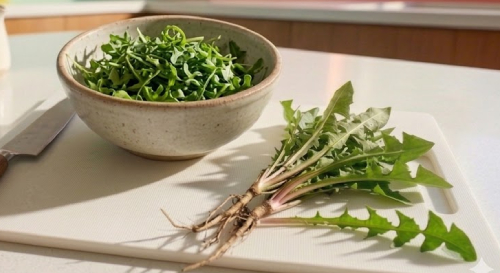
7. Dandelion Greens

The Benefit: Often dismissed as a garden weed, these greens are loaded with Vitamins A, C, E, and K.

Why it matters: They are high in phenolic acids, which act as powerful anti-inflammatories and support overall immune function.

Key Takeaway

The common thread among these foods is that they are generally affordable and easy to find at your local market. 
Instead of reaching for expensive supplements or the latest health powders, the research shows that simply adding these into your weekly meals acts like a “natural pharmacy” for your body.
By focusing on accessible, whole ingredients, you can build a more balanced diet that supports your heart and brain health for the long haul and is a simple and a practical way to get the vitamins you need without any extra stress or high costs, proving that eating well doesn’t have to be complicated to be effective.

Adding just a few of these items to your grocery list can go a long way in keeping you feeling your best.

To read about the other foods mentioned in the study, go to the BBC’s articles:
– The 100 Most Nutritious Foods
– Seven Foods You Should Be Eating More Of Rright Now.

Scroll to Top

Newsletter Signup

You will receive a confirmation email in your inbox.  

* You can unsubscribe anytime