
Active Living Guide
Active living is one of the most important factors for healthy aging. Rather than just “exercise,” active living includes all physical movements that occur. throughout the day..from walking to the mailbox to gardening or joining a dance class.
For seniors, this lifestyle is our primary defense against the natural physiological declines associated with aging, helping to maintain independence, mental clarity, and social connection.
Below is a 7-day example of a “Active Living” guide for those of us who are just starting out or need some inspiration.
- Each day includes a mix of activities, focusing on gentle movements that are easy to incorporate.
- This schedule is designed to be flexible and build a consistent routine without overexertion. Remember to listen to your body and adjust as needed!
Day 1: Gentle Aerobics & Stretching
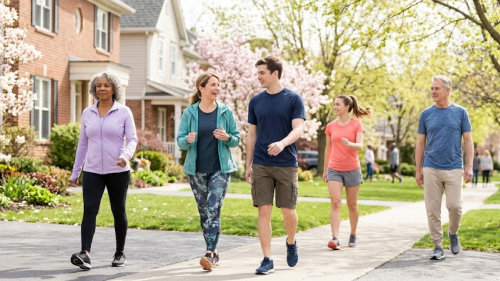
- Morning (30 minutes): A brisk walk around the neighborhood or a local park. Focus on a comfortable pace where you can still hold a conversation.
- Evening (10 minutes): Light stretching. Focus on major muscle groups like legs, arms, and back.
Day 2: Balance & Core
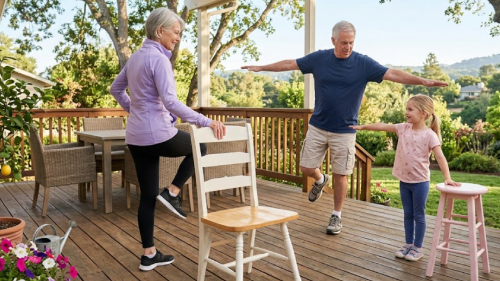
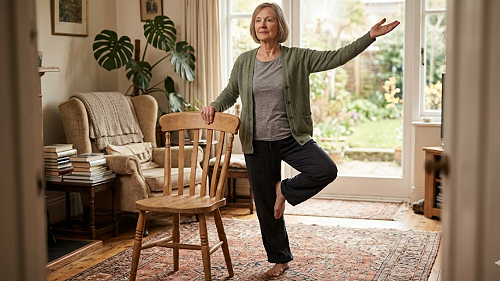
- Morning (20 minutes): Try some simple balance exercises at home. Stand on one foot (holding onto a chair for support), or do heel-to-toe walking.
- Afternoon (15 minutes): Gentle core exercises like seated twists or pelvic tilts while lying down.
Day 3: Light Strength & Active Daily Living
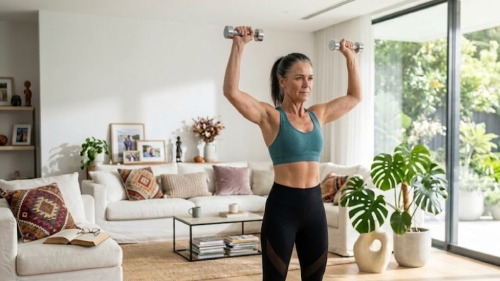
- Morning (20 minutes): Use light hand weights (or cans of soup!) for bicep curls, tricep extensions, and shoulder raises.
- Throughout the Day: Incorporate “Active Daily Living” by taking the stairs instead of an elevator (if safe), parking a little further away, or spending time gardening.
Day 4: Rest & Gentle Movement
- Morning (20 minutes): Enjoy a leisurely walk, perhaps with a friend or pet. Focus on relaxation rather than speed.
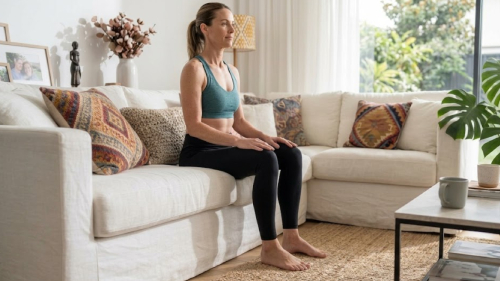
- Afternoon (10 minutes): Perform a few slow, mindful stretches or try some deep breathing exercises.
Day 5: Water Fun or Seated Aerobics
- Morning (30 minutes): If accessible, try water aerobics at a local community center. The water provides support and resistance.
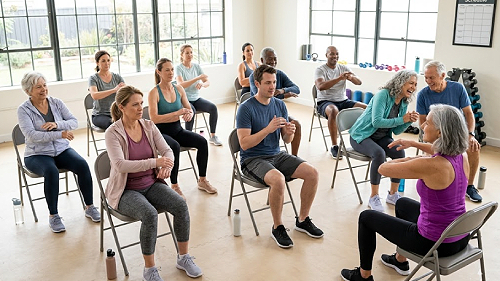
- Alternatively (30 minutes): Do a seated aerobics video. Many free options are available online.
Day 6: Outdoor Exploration & Flexibility
- Morning (45 minutes): Explore a new walking trail or a different part of your neighborhood. The change of scenery can be motivating!
- Evening (15 minutes): A longer flexibility session, perhaps a beginner’s yoga or Tai Chi video.
Day 7: Active Socialization & Relaxation
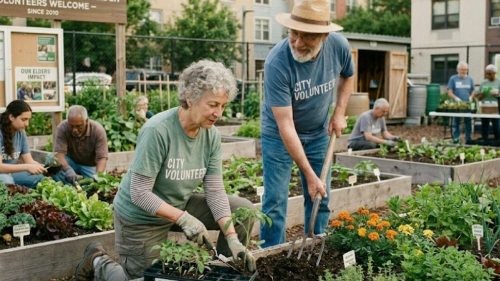
- Morning (60 minutes): Engage in an active social activity. This could be a walking club, dancing, or even a volunteer activity that involves light movement.
- Evening: Enjoy a relaxing activity like reading, listening to music, or gentle meditation. This day is about recharging for the week ahead!
Why Active Living Matters As We Age
Think of staying active as your body’s best all-around insurance policy. It’s not just about keeping your muscles toned. It’s about protecting the systems that let you live life on your own terms.
- Physical Resilience: For starters, regular movement does wonders for your heart and lungs. It cuts your risk of cardiovascular disease, stroke, and type 2 diabetes, and it keeps your bones dense enough to ward off osteoporosis. That’s a lot of heavy lifting from something as simple as a daily walk.
- Fall Prevention: There’s also the matter of staying on your feet, literally. Better balance and a stronger core mean you’re far less likely to take a tumble, and that matters more than most people realize. Falls are the number one cause of injury-related hospitalizations among older adults.
- Cognitive Preservation: Your brain gets in on the benefits too. Physical activity pumps more blood to the brain and research has connected it to lower rates of dementia and Alzheimer’s disease. Keeping your body moving is, in a very real sense, keeping your mind sharp.
- Emotional Well-being: And then there’s how you feel day to day. Movement triggers the release of endorphins, the hormones responsible for that natural lift in your mood. For anyone dealing with chronic pain or the loneliness that can creep in with age, that kind of emotional boost isn’t a small thing. It’s everything.
Active Living can be broken down into four key categories. For the best results, aim for a mix of these throughout the week.
1. Aerobic Activity (Endurance)
These activities get the heart rate up and improve overall stamina.
Examples: Brisk walking, water aerobics, cycling, or light dancing.
Goal: At least 150 minutes of moderate-intensity activity per week.
2. Strength Training
Focuses on building muscle to support joints and metabolism.
Examples: Using resistance bands, lifting light weights, or even carrying groceries.
Goal: At least 2 days a week.
3. Balance and Flexibility
Crucial for preventing falls and maintaining the “range of motion” needed for daily tasks like reaching a high shelf or tying shoes.
Examples: Tai Chi, Yoga, Pilates, and simple stretching routines.
4. Active Daily Living (ADLs)
These are “stealth” exercises that count toward your daily movement totals.
Examples: Gardening (digging/weeding), light housework, taking the stairs, or walking to a neighbor’s house.
Final Thoughts
Getting started doesn’t have to be complicated. The smartest first move is a conversation with your doctor, just to know what your body is ready for. From there, even five minutes of walking counts. Seriously. Consistency beats intensity every time, especially in the beginning.
Once a daily walk feels natural, add something that challenges your balance or builds a little strength. A Tai Chi class, a light resistance session, anything that works a different system. Your body adapts faster than you’d expect.
The secret ingredient most people overlook? Other people. Joining a walking club or a group class turns exercise from a chore into something you actually look forward to. Accountability is powerful, but so is just having someone to talk to along the way.
The path to an active lifestyle isn’t a sprint. It’s four simple steps, taken at your own pace, that add up to something that can genuinely change the rest of your life.