Bone Health
Keeping Our Bones Strong As We Age
As we age, our bones naturally undergo a process of “remodeling” where the body breaks down old bone tissue faster than it can replace it.
For the seniors, maintaining bone density isn’t just about biology, it’s about maintaining independence and quality of life.
Why Bone Health Matters for Seniors
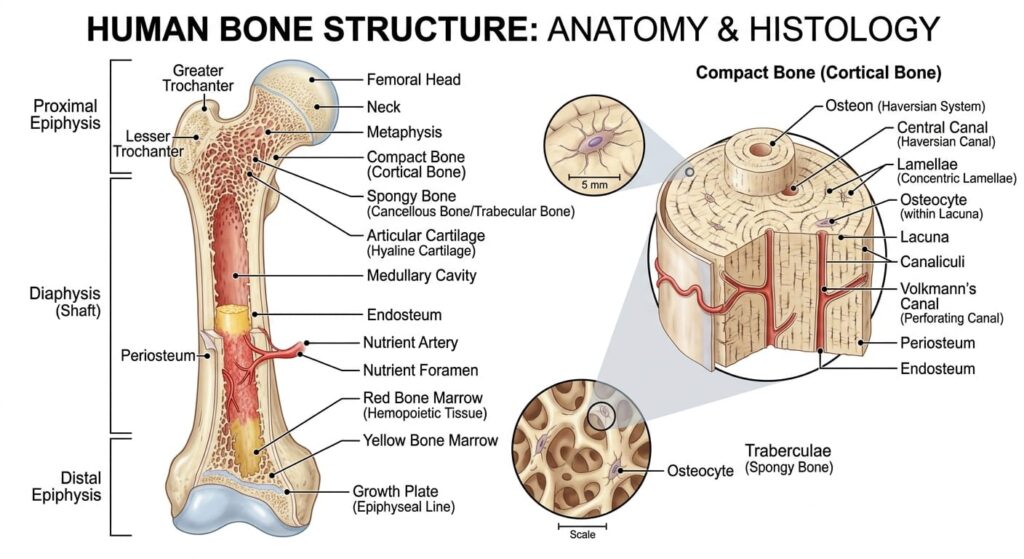
Strong bones act as the structural framework for the entire body. When that framework weakens, several risks emerge:
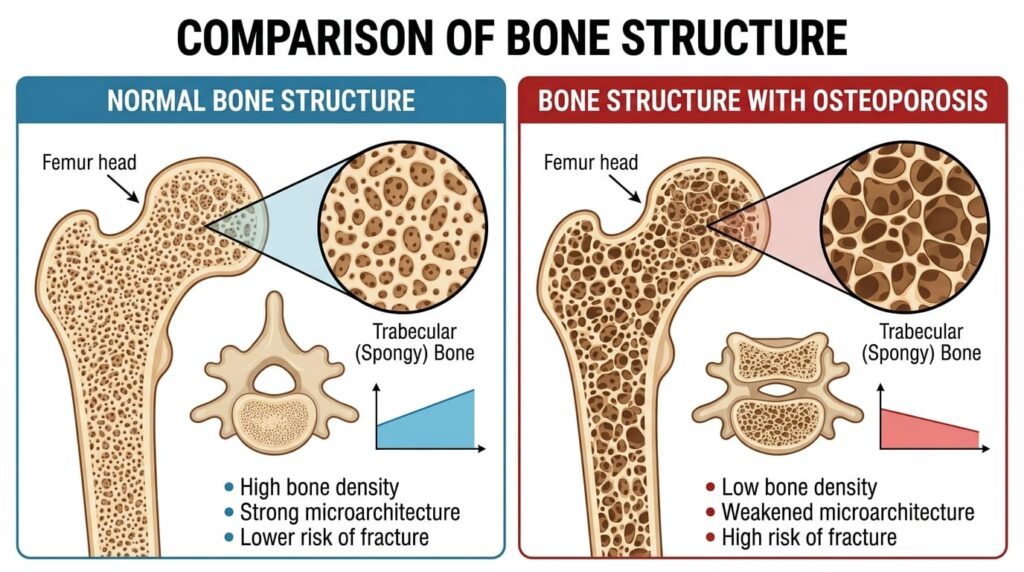
- Fracture Prevention: Conditions like osteoporosis (porous bones) make bones so fragile that a minor fall, or even a strong sneeze, can cause a break.
- The “Hip Fracture” Spiral: For the elderly, a hip fracture is often a life-altering event that can lead to long-term immobility, surgery complications, and a loss of autonomy.
- Posture and Mobility: Healthy bones support the spine. Bone loss in the vertebrae can lead to a stooped posture (kyphosis), which affects balance and breathing.
- Protection of Organs: The skeleton serves as a shield for the heart, lungs, and brain.
How to Promote Bone Health
Our bones are essentially a storage bank for minerals. To keep the bank full, focus on:
1. Nutritional Essentials
Why It Matters
Food Sources
Nutrients
The primary building block of bone tissue.
Dairy, leafy greens (kale, bok choy), sardines, and fortified cereals.
Calcium
Acts as the “key” that unlocks calcium absorption.
Sunlight, fatty fish, egg yolks, and supplements.
Vitamin D
Helps direct calcium to the bones rather than the arteries.
Nuts, seeds, whole grains, and spinach.
Magnesium & Vitamin K
Makes up about 50% of bone volume and helps maintain muscle mass.
Lean meats, beans, lentils, and Greek yogurt.
Protein
2. Weight-Bearing & Resistance Exercise
Bones are living tissue that respond to stress by becoming stronger.
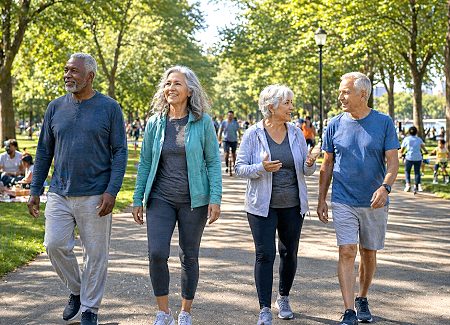
- Weight-Bearing: Activities where you move against gravity, such as walking, hiking, or dancing.
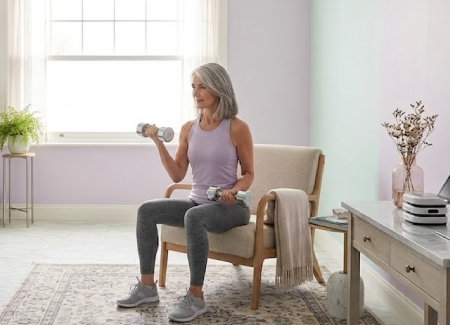
- Resistance Training: Using weights or elastic bands to build muscle. Strong muscles pull on the bones, stimulating growth and improving stability to prevent falls.
3. Lifestyle Adjustments
- Limit Alcohol and Caffeine: Excessive intake of either can interfere with the body’s ability to absorb calcium.
- Quit Smoking: Tobacco use has been directly linked to decreased bone density.
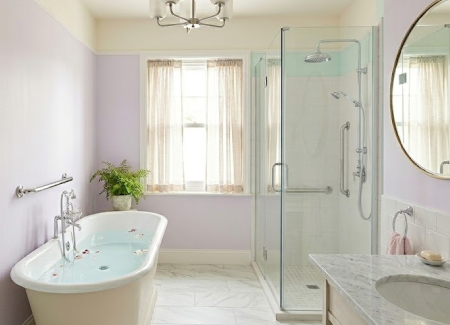
- Fall-Proofing the Home: Sometimes the best way to protect bones is to ensure they never hit the ground. Remove triphazards like loose rugs and install grab bars in bathrooms.
4. Medical Screening
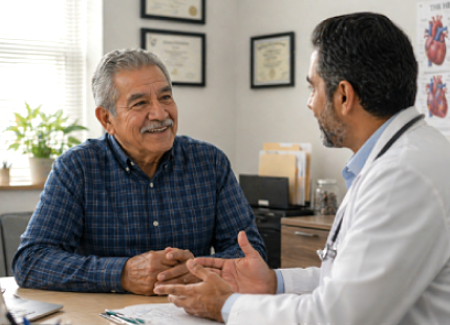
- It is highly recommended for seniors to get a DEXA scan (dual-energy X-ray absorptiometry). This painless test measures bone mineral density and helps doctors determine if medication or specific supplementation is necessary.
- A Note on Safety: Always consult with a healthcare professional before starting a new exercise regimen or adding supplements to your routine, as high doses of certain minerals can interfere with medications.