
Travel & Exploration
Iceland’s Gullfoss And The Golden Circle.
Why It Belongs on Your Bucket List!
 7 Minutes
  Travel & Exploration
  Apr 04, 2026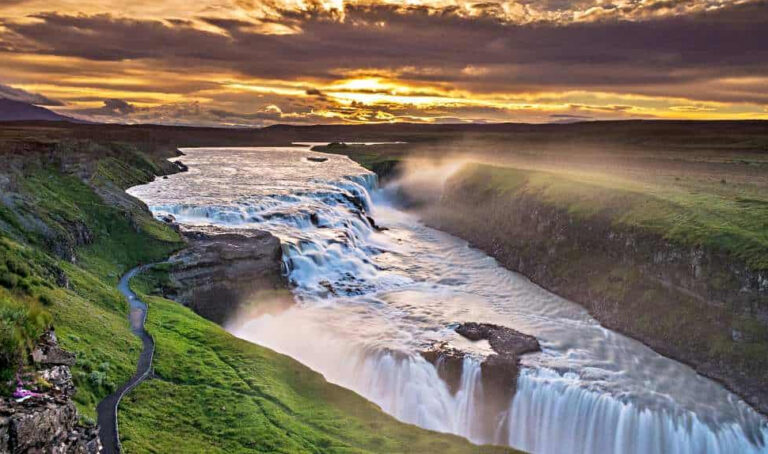
KEY POINTS
- Gullfoss is completely free to visit, 24 hours a day, year-round, no reservations required — making it one of the most accessible bucket-list waterfalls in the world, with only a guided tour (from $70 USD) needed if you’d rather skip the self-drive.
- The falls drop 105 feet in two dramatic tiers into a glacial canyon, and look entirely different depending on the season — summer brings rainbows, peak water volume, and long daylight hours, while winter edges the canyon walls with ice formations and sets the stage for Northern Lights on the drive back to Reykjavik.
- Gullfoss anchors the Golden Circle, Iceland’s most popular day-trip route, which also includes the Strokkur geyser (erupting every 5 to 10 minutes) and Thingvellir National Park, where you can walk the rift between the North American and Eurasian tectonic plates — all three stops within a single full day from Reykjavik.
A woman walked barefoot through rivers and snow to save this waterfall. More than a century later, you can stand at the edge of the canyon she protected and understand exactly why she did it.
At the turn of the 20th century, a young Icelandic woman named Sigríður Tómassóttir made a decision that would shape the country’s relationship with its own landscape for generations. When foreign investors proposed harnessing the power of Gullfoss to generate electricity, Sigríður walked barefoot from her family farm to the capital of Reykjavik, a journey of some 120 kilometers (75 miles), to fight the plan in court. She reportedly declared that she would throw herself into the falls before she would watch them destroyed. She lost the case. But the power plant was never built. The investors ran out of money, the lease lapsed, and Gullfoss was eventually purchased by the Icelandic government and protected as a nature reserve.
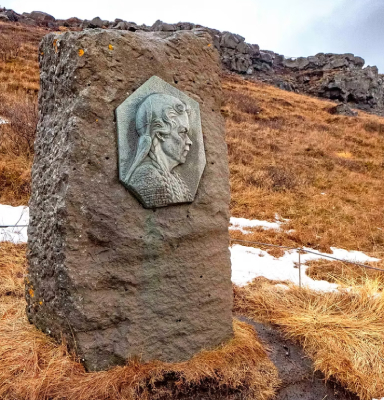
Her story stands at the entrance of the falls, commemorated by a plaque, and it sets the tone for what you’re about to see. This is not just a waterfall. It is a place that Icelanders fought to keep wild.
What Gullfoss Actually Looks Like
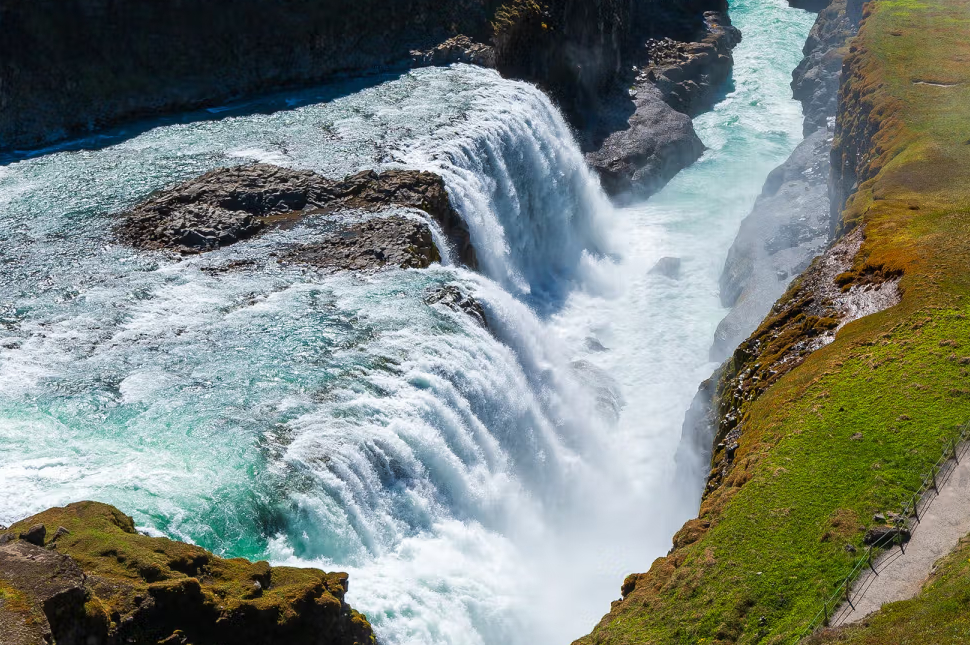
The meltwater from Langjökull, Iceland’s second-largest glacier, travels through the mighty Hvítá River before dropping in two dramatic stages into a deep canyon. The upper drop is 11 meters (36 feet), followed by a dramatic 21-meter (69 feet) lower plunge, and a total height of 32 meters (about 105 feet). On sunny days, a rainbow often appears in the mist.
What makes Gullfoss unusual in comparison to other large waterfalls is its shape. Rather than a single vertical drop, the water moves in a wide curved staircase formation before it disappears entirely into the gorge. From the upper viewing platform, you can see the whole sequence. From the lower platform, you can feel the ground vibrate under your feet.
The canyon setting, mist, and the glacial water that often appears golden in sunlight all contribute to the name Gullfoss, which translates from Icelandic as “Golden Falls.”
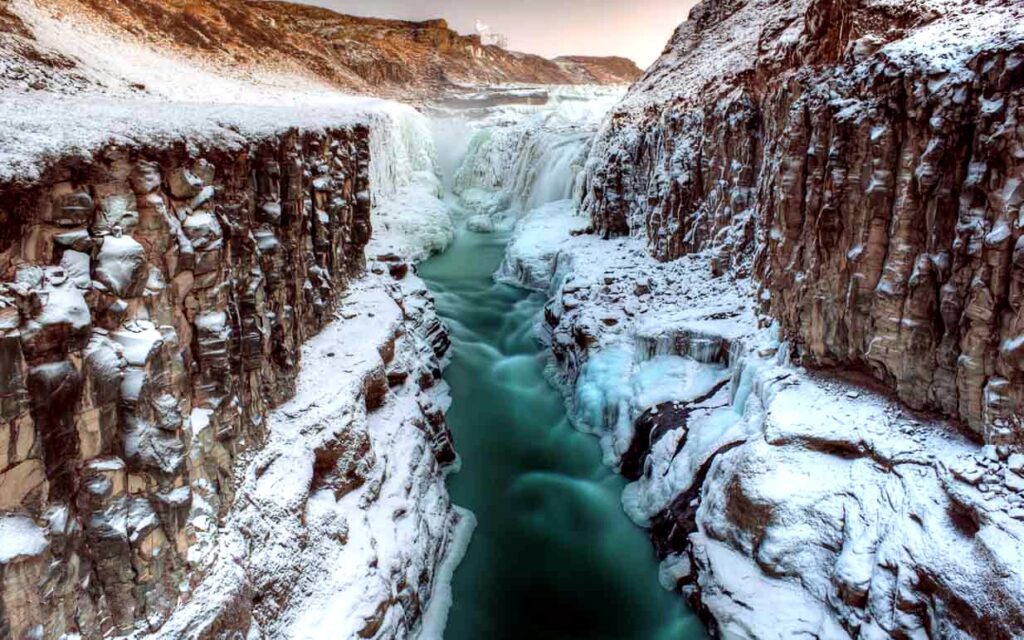
In summer, the increased flow of glacial meltwater makes Gullfoss even more powerful. The surrounding area, with its lush landscapes, is ideal for leisurely walks. In winter, though it doesn’t freeze over entirely, icicles can form during cold spells at the edges of the waterfall, making it particularly photogenic against a snowy backdrop.
In other words: it looks entirely different depending on when you go, and both versions are worth seeing.
One More Thing Worth Knowing
The farmer who originally owned Gullfoss declared, “I will not sell my friend,” when a foreign buyer offered what was, at the time, an extraordinary sum for the property.
His daughter Sigríður carried that loyalty forward, walking barefoot to protest the power plant plans and continuing to fight for years after the case closed.
The waterfall was ultimately donated to the Icelandic state and has been protected ever since. The plaque honoring Sigríður near the upper viewpoint is easy to miss in the rush to get to the falls themselves. It’s worth pausing at.
The Golden Circle: Three Stops, One Full Day
Gullfoss doesn’t stand alone. It anchors one end of what Icelanders call the Golden Circle, a loop through southwest Iceland that connects three of the country’s most visited natural sites.
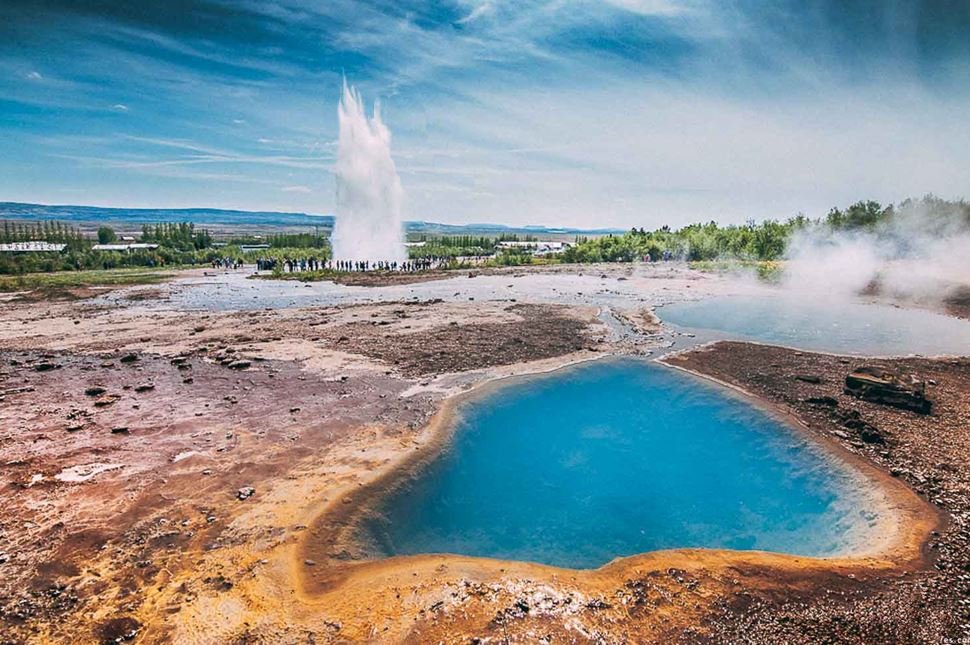
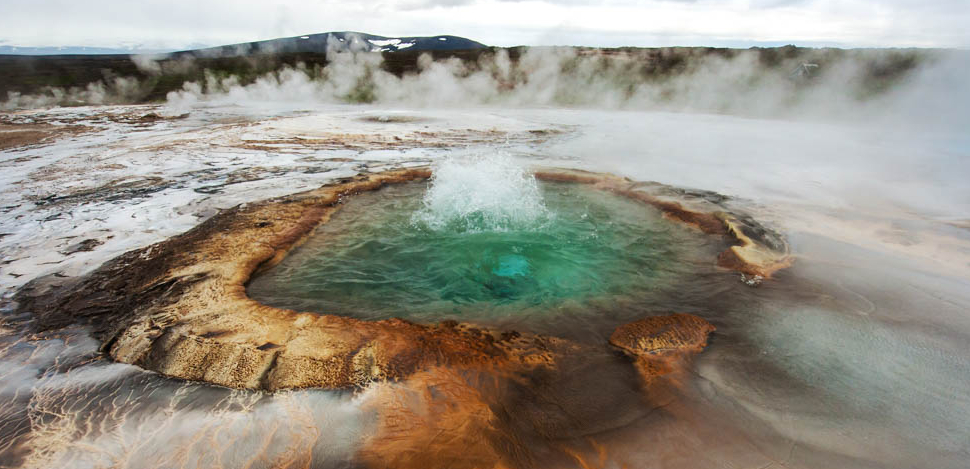
Just 10 minutes from Gullfoss, the Geysir Geothermal Area sits in the Haukadalur Valley, where you can watch Strokkur geyser erupt every 5 to 10 minutes, shooting boiling water 15 to 30 meters into the air. The original Geysir, which gave every geyser on the planet its name, is also here, though it erupts rarely. The steam vents, mud pools, and the contrast of cold air against hot ground make this one of the more otherworldly stops on the route.
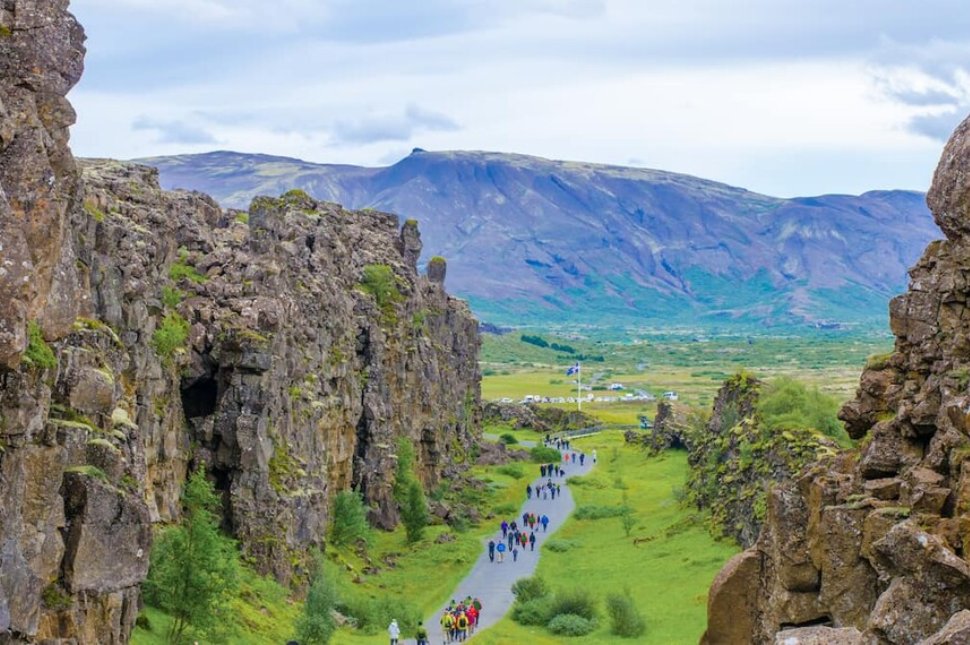
Thingvellir National Park, about 50 minutes from Gullfoss, is a UNESCO World Heritage Site where you can walk directly between the North American and Eurasian tectonic plates. This massive rift valley is one of the few places on Earth where the Mid-Atlantic Ridge is visible on land.
It is also the birthplace of Iceland’s parliament, established in 930 AD, making it the oldest parliament site in the world.
The entire loop is about 300 kilometers of paved road and takes roughly 7 to 8 hours with stops. All the main roads are open year-round. A two-wheel drive car works fine in summer; four-wheel drive is recommended in winter.
Those Northern Lights
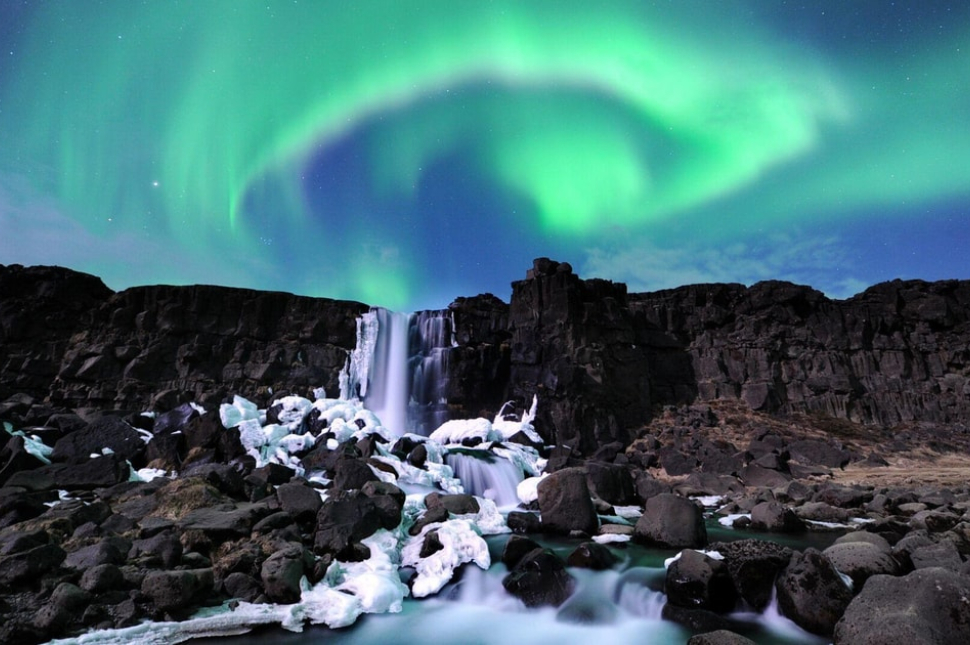
Its wide-open landscapes and unique geological features like the rift valley provide dramatic foregrounds for photography.
Best Months for Viewing
- Deepest Darkness (November – January): These months offer the longest periods of nighttime (up to 20 hours in December), providing the widest daily window for activity to occur.
- Equinox Peak (September & March): Many experts recommend visiting around the autumn and spring equinoxes (roughly September 21 and March 21). During these times, the Earth’s magnetic field is often more susceptible to solar winds, which can trigger more frequent and vibrant displays.
- Late Winter (February): This month is frequently cited as a “sweet spot” due to a better balance of stable weather and long dark nights compared to the stormier midwinter months.
At The End Of Your Day You Shouldn't Skip
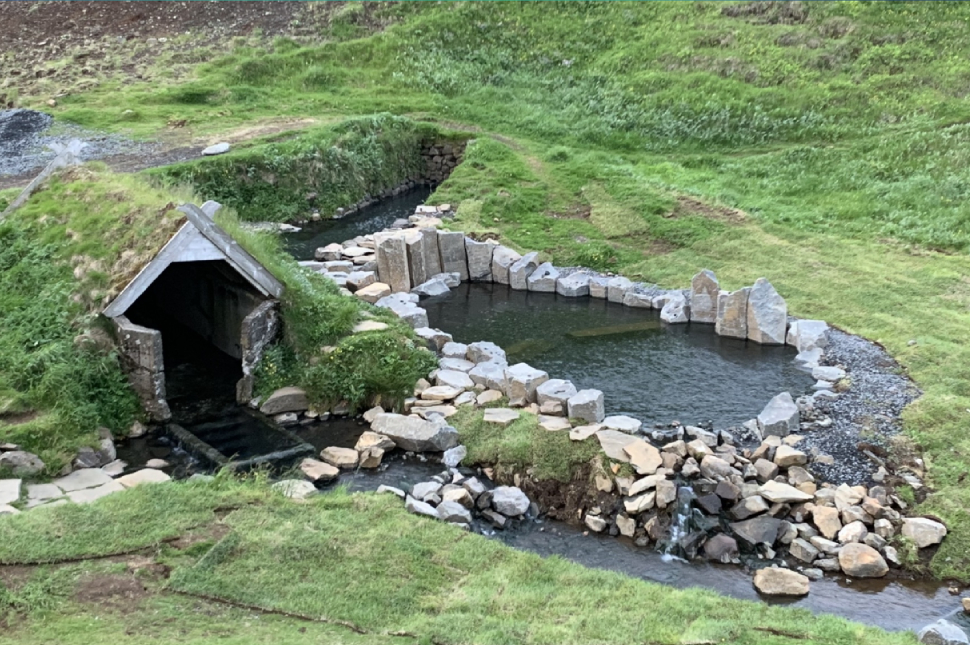
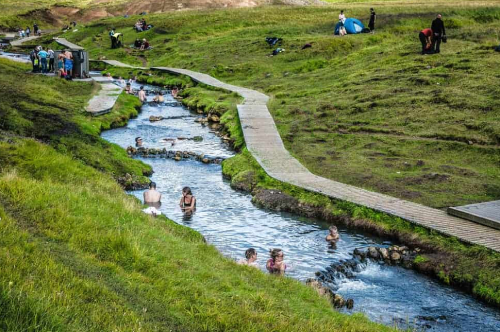
Reykjadalur Thermal River: A free, natural hot river in a “Steam Valley” reachable via a 3km (1.8 mile) hike, offering a truly wild experience.
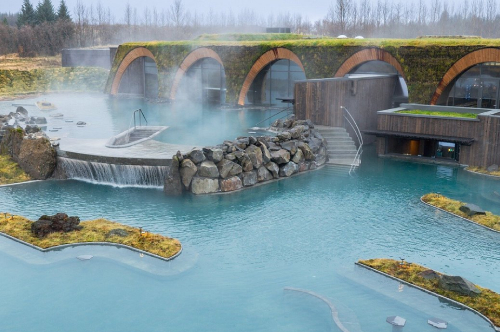
Laugarás Lagoon (near Flúðir): A newer wellness destination featuring an infinity-edge lagoon and forest pool on the banks of the Hvítá River.
Plan Your Trip
How to Get There
From Reykjavik by car: Gullfoss is about 116 kilometers (72 miles) from the capital via Route 1 east, then Route 35. The drive takes roughly 1.5 to 2 hours depending on stops. The road is fully paved and straightforward. You’ll pass the other Golden Circle stops along the way if you follow the standard counterclockwise route, making this an easy self-drive day trip.
Guided tours from Reykjavik: For travelers who prefer not to drive, guided Golden Circle day tours run year-round from Reykjavik. A standard full-day tour (about 8 hours) covers Thingvellir, the Geysir area, and Gullfoss, with many operators also including a stop at Kerið volcanic crater lake.
Prices start around 9,990 ISK (roughly $70 USD) for a basic afternoon tour and range to 17,990 ISK ($130 USD) or more for full-day tours with additional stops such as the Secret Lagoon geothermal pool. Hotel pickup in central Reykjavik is typically included.
Operators including Reykjavik Excursions, BusTravel Iceland, Gray Line Iceland, and Viator-listed operators all run this route daily. Book in advance in summer; winter availability is more flexible.
Public transport is not a practical option. There is no direct bus service to Gullfoss. Bus-and-transfer combinations from Reykjavik can take 10 or more hours total.
Summer in Iceland brings long days, lush greenery, and nearly 24 hours of daylight, making it the most accessible season. Temperatures average around 50 to 59 degrees Fahrenheit (10 to 15 degrees Celsius). The tradeoff is crowds. July and August are peak season, and popular stops like Gullfoss see the highest visitor numbers.
For most travelers over 50 who want full access, comfortable walking conditions, and daylight without the summer peak, late May to mid-June and September are the strongest choices. For a bit of peace and quiet, visiting on either side of summer, in April, May, September, or October, keeps the main sights noticeably less crowded. September also brings early autumn color to the birch trees at Thingvellir, and Northern Lights become possible again as the nights darken.
Winter offers frozen waterfalls and long nights ideal for Northern Lights viewing, but temperatures often hover around freezing and can feel much colder with wind chill. Snow and ice build up on trails and parking areas, and road and weather checks become part of the daily routine. If you’re comfortable in cold weather and prefer a guided tour over self-driving, winter can be spectacular. If you’d rather walk comfortably without microspikes, stick to the shoulder seasons.
At the Falls: Practical Details
There is no entrance fee to visit Gullfoss. The waterfall area, main walking paths, and viewpoints are open year-round, 24 hours a day.
Parking at both the upper and lower lots is currently free of charge. Spaces near the visitor center fill quickly during summer, so arriving early gives you the most convenient spots.
The upper viewpoint is paved, accessible, and open in all seasons. It provides the classic wide-angle view of both tiers dropping into the canyon. A staircase leads down to the lower platform, where you can experience the full force of the falls. This lower path is often closed in winter when conditions become too icy.
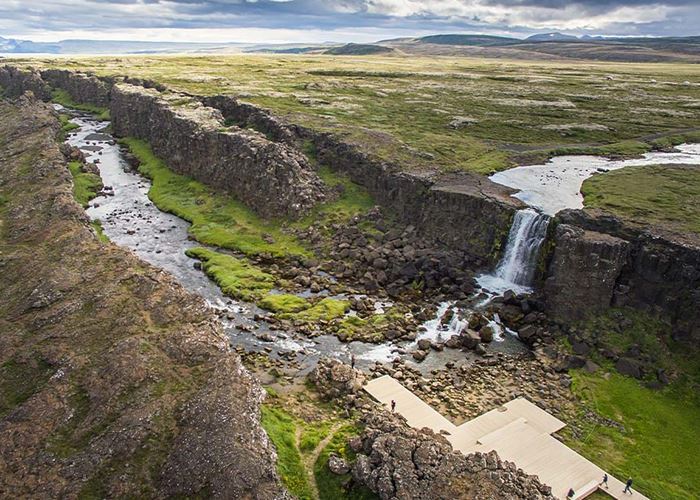
In 2025, a new observation platform was added above the gorge, providing views of the Gullfossgjúfur canyon and the columnar basalt formations in the gorge walls. It’s worth walking the roughly 2 kilometers of trails around the site if your legs are up for it.
The visitor center sits near the upper parking lot and serves hot soups, sandwiches, coffee, and pastries. A compact shop stocks Icelandic wool items, local crafts, and cold-weather essentials. Summer hours run approximately 9:30 AM to 6:30 PM, with shorter hours in winter.
Plan on 45 minutes to an hour at the falls themselves, longer if you want to walk the full trail or linger over lunch.
What to Bring, What to Leave Behind
Iceland’s weather is variable regardless of season. Even in June, a sunny morning can turn into wind and sideways rain by afternoon. At Gullfoss specifically, the canyon funnels wind and mist toward the viewing platforms.
Bring: A waterproof jacket (not just water-resistant), layers, and sturdy non-slip shoes. Wind and spray are common near the falls, so protect camera equipment with a sleeve or lens cloth. In winter, add warm gloves, a hat that won’t blow off, and consider waterproof overpants.
Helpful Links:
* images are supplied by 6090 team or submitted by members. If you think one has been used in error please contact us using the contact us form.